Underfloor Heating System Maintenance Guide
An underfloor heating system maintenance guide is essential for ensuring the system operates efficiently, reliably, and economically for many years. A properly installed underfloor heating system generally requires minimal maintenance; however, this does not mean it should be completely ignored. Regular inspections and proper usage help both reduce energy consumption and extend the lifespan of the system.
Why Is Maintenance Important for Underfloor Heating Systems?
Underfloor heating systems operate through a closed-loop pipe network embedded beneath the floor surface. While this structure protects the system from external factors, it can also make potential faults more difficult to detect. Regular maintenance helps to:
- Maintain heating efficiency
- Optimize energy consumption
- Prevent possible malfunctions
- Extend the lifespan of system components
- Ensure consistent indoor comfort
Especially questions such as “how to perform annual maintenance for underfloor heating systems” are among the most searched topics by users.
Periodic Maintenance Steps for Underfloor Heating Systems
1. System Pressure Check
The ideal pressure for underfloor heating systems is generally between 1–2 bar. A drop in pressure may indicate leaks or trapped air within the system.
Things to check:
- Pressure gauge on the boiler or heating unit
- Sudden pressure drops
- Constant need for water refilling
These situations require early intervention.
2. Manifold (Distribution Unit) Inspection
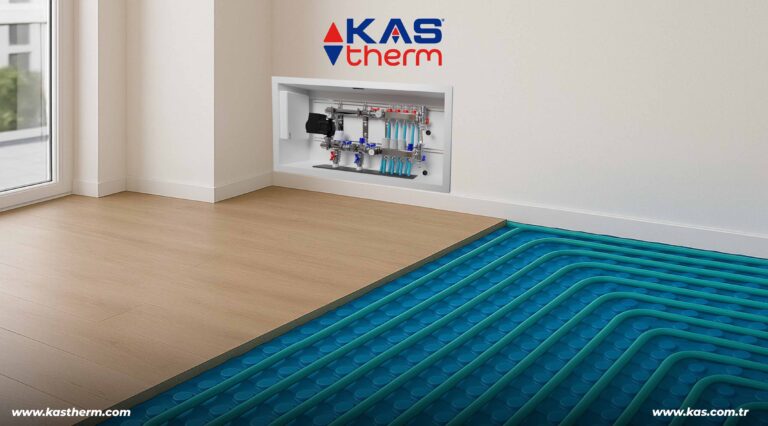
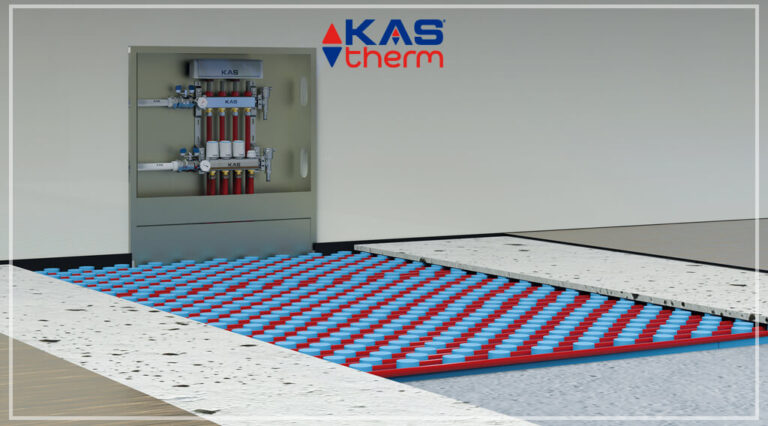
The manifold is considered the heart of the underfloor heating system. It distributes hot water evenly throughout all rooms.
Maintenance points include:
- Ensuring valves operate properly
- Checking whether flow meters display accurate values
- Inspecting for leaks or moisture
At this stage, the question “how to maintain an underfloor heating manifold” becomes important because the overall system balance directly depends on it.
3. Air Venting Process (Purge Valve Check)
Air accumulation inside the system negatively affects heat distribution.
Common signs include:
- Certain rooms not heating properly
- Noise coming from pipes
- Uneven temperature distribution
In such cases, trapped air should be released through the purge valves located on the manifold.
4. Circulation Pump Inspection
The circulation pump ensures hot water flows continuously through the pipes.
The following should be checked:
- Is the pump operating noisily?
- Is the flow rate sufficient?
- Are electrical connections and overall performance stable?
Pump malfunctions directly affect the performance of the entire system.
5. Thermostats and Control Systems
Modern underfloor heating systems rely heavily on room thermostats.
Maintenance should include:
- Verifying accurate temperature readings
- Checking program settings
- Preventing unnecessarily high temperature settings
The topic “how to adjust underfloor heating thermostat settings” is particularly important for energy savings.
6. Water Quality and Chemical Balance
The quality of the water inside the system may deteriorate over time. This can lead to:
- Limescale buildup
- Sediment accumulation
- Reduced heat transfer efficiency
If necessary, the system water should be replaced or inhibitor chemicals should be used.
How Often Should Underfloor Heating Systems Be Maintained?
General recommendations include:
- Full system maintenance at least once a year
- Inspections before the winter season
- More frequent monitoring during the first 1–2 years in newly installed systems
The answer to “what should the maintenance interval for underfloor heating systems be” may vary depending on usage intensity and project type.
Simple Checks Users Can Perform
In addition to professional maintenance, users can regularly perform simple inspections such as:
- Monitoring system pressure
- Optimizing thermostat settings
- Observing unusual noises or heating issues
- Visually inspecting the manifold area
These simple precautions can help prevent major system failures.
Common Problems in Underfloor Heating Systems
Uneven Heating
Cause: Air accumulation or improper flow adjustment
Slow Heating
Cause: Poor insulation or low system performance
High Energy Bills
Cause: Incorrect thermostat settings or inefficient operation
Noise Problems
Cause: Air trapped in the system or pump-related issues
Most of these problems can be prevented through regular maintenance.
Maintenance Advantages of KAS Therm Underfloor Heating Systems
KAS Therm underfloor heating systems provide long-lasting performance with minimal maintenance requirements thanks to their high-quality pipe structures and advanced engineering solutions.
Maintenance-related advantages of KAS Therm systems include:
- Durable PE-RT and PEX pipe structures
- Reduced corrosion risk thanks to oxygen barrier technology
- Manifold systems that ensure stable water flow
- Long-term performance without significant efficiency loss
As a result, “underfloor heating system maintenance costs” can be kept at a minimum level.
Tips to Extend the Lifespan of Your Underfloor Heating System
- Avoid operating the system at unnecessarily high temperatures
- Schedule regular maintenance
- Choose high-quality equipment
- Do not neglect insulation
- Avoid unauthorized interventions without expert support
By following these steps, your system can operate efficiently for 30–50 years.
An underfloor heating system maintenance guide is indispensable for maintaining system performance, ensuring energy savings, and achieving long-term reliability. With regular inspections and proper usage habits, underfloor heating systems can operate at high efficiency for many years.
With KAS Therm underfloor heating solutions, you can achieve both low maintenance costs and maximum performance. Not neglecting periodic maintenance processes will provide significant long-term advantages in terms of both comfort and cost efficiency.